Gardeners serving Mile End Road and Cambridge Heath: a practical guide to local garden care that actually works
If you're looking for gardeners serving Mile End Road and Cambridge Heath, you're probably not after vague promises or a neat-looking brochure. You want a team that turns up, understands tight urban spaces, and knows how to keep a London garden healthy when the weather, foot traffic, shade, and storage issues all seem to be working against it. That's the real job here. Not just "gardening", but proper, local, reliable garden care that fits the way people live around Mile End Road and Cambridge Heath.
This guide explains what local gardening support can include, how the work is usually carried out, what good service looks like, and how to decide which tasks to prioritise first. Whether your space is a small courtyard, a narrow rear garden, or a shared outdoor area that's getting a bit out of hand, the goal is the same: make it easier to enjoy and easier to manage. Simple as that.
- Why this local service matters
- How the service works in practice
- Key benefits and practical advantages
- Who it is for and when it makes sense
- Step-by-step guidance
- Expert tips for better results
- Common mistakes to avoid
- Tools, resources and recommendations
- Law, compliance, standards and best practice
- Options, methods and comparison
- Case study and real-world example
- Practical checklist
- Frequently asked questions
Why Gardeners serving Mile End Road and Cambridge Heath Matters
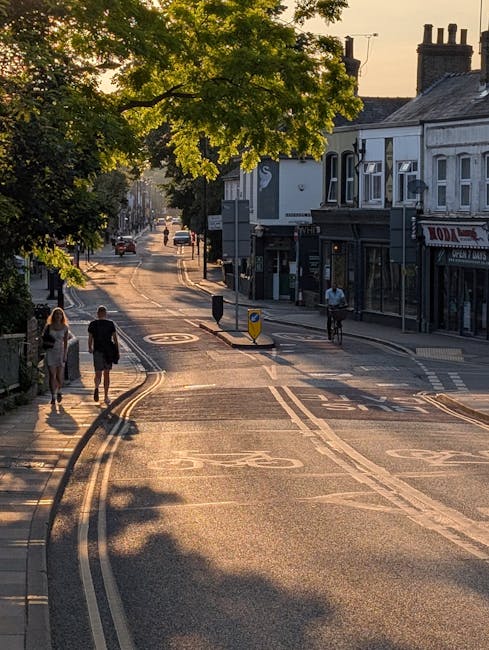
These two neighbourhoods have a very specific feel. You've got busy streets, mixed housing, pockets of shade, compact gardens, and the usual London realities: limited access, bins in the way, neighbours close by, and outdoor spaces that can go from manageable to messy in a matter of weeks. A local gardener doesn't just cut grass and leave. They need to understand how those conditions affect plants, surfaces, and maintenance routines.
That matters because gardens in this part of East London often need a different rhythm from bigger suburban plots. A lawn that's fine in open sun may struggle under tree cover. A hedge near a brick wall can become leggy on one side and dense on the other. Even simple jobs like clearing leaves or pruning shrubs can need more judgement than people expect. Truth be told, a garden can look "fine" for months and then suddenly feel completely overwhelming after one wet autumn and a couple of missed cuts.
Local gardening support is also about consistency. A one-off tidy-up is useful, sure, but a lot of properties benefit more from steady maintenance. That can mean scheduled mowing, seasonal pruning, weeding, border care, and occasional larger interventions such as garden clearance or hedge trimming. The idea is not to force the garden into a perfect magazine look. It's to make it usable, healthy, and realistic for the space you actually have.
There's another reason this matters: peace of mind. When you know the work is being handled properly, you stop putting off jobs that are getting worse in the background. And gardens do that quietly. A patch of moss here, a leaning shrub there, a drain blocked by cuttings, and suddenly you're dealing with extra stress for a problem that was avoidable.
Expert summary: The best local gardening service is one that respects the character of the space, works safely in a dense residential area, and gives you a plan that keeps things under control without overcomplicating it.
How Gardeners serving Mile End Road and Cambridge Heath Works
In practical terms, the process is usually straightforward. A good service starts with understanding the garden as it is now, not as someone imagines it might be in six months. That means looking at access, size, planting, waste volume, surface type, and how often the space is used. A family garden used every weekend needs a different approach from a quiet back garden that's mainly decorative.
From there, the work is normally broken into manageable tasks. Common examples include lawn care, shrub pruning, border tidying, weed control, seasonal leaf clearance, and soil or planting improvements. If the space is overgrown or has been neglected for a while, the first visit may focus on restoring control. After that, a lighter garden maintenance routine can keep everything stable. That's usually the smarter route, to be fair, because maintenance is much easier than rescue work.
For more involved transformations, gardening and landscaping often overlap. A client might need new beds, path repairs, planting design, or better structure around a small patio. In that case, services such as landscape gardening and landscaping may come into play. These are not just decorative upgrades. They can make a garden easier to use, easier to clean, and less likely to become a constant hassle.
Working in this part of London also means thinking about timing. A lot of garden jobs are best handled when access is calmer and neighbours are least likely to be disturbed. You'll often notice the difference when a team plans the work properly: less disruption, cleaner finish, fewer missed details. It's the difference between "done" and done well.
Key Benefits and Practical Advantages
Hiring a gardener locally brings more than a neat lawn. It improves how the garden functions day to day. Here are the benefits that usually matter most to real homeowners and landlords.
- Better use of space: Small gardens can feel larger when borders, paths, and planting are arranged sensibly.
- Less ongoing stress: A regular routine stops jobs from piling up into one exhausting weekend.
- Healthier planting: Pruning, feeding, and seasonal care help plants recover and grow more evenly.
- Cleaner outdoor areas: Leaf fall, weeds, and overgrowth are easier to keep under control.
- Improved safety: Clear paths, trimmed growth, and stable outdoor surfaces reduce everyday hazards.
- Better kerb appeal: Useful if you rent, sell, or simply want the place to feel looked after.
There's also a psychological benefit people underestimate. A tidy outdoor space can change how the whole home feels. Open the back door on a grey morning and seeing order instead of chaos makes a difference. A surprisingly big one, actually.
For many residents, the most practical advantage is flexibility. You don't always need a full redesign. Sometimes you just need the grass cut, hedges shaped, and beds reset. Other times, the garden needs a proper overhaul after months of neglect. The best gardening support can handle both. If you want a broader view of what a provider offers, the services overview is a sensible place to start.
Who This Is For and When It Makes Sense
Gardeners serving Mile End Road and Cambridge Heath are useful for a lot of people, not just keen gardeners. In fact, the clients who benefit most are often the ones with limited time, awkward access, or gardens that have become difficult to manage alone.
This service makes sense if you are:
- a homeowner trying to keep on top of a small or medium-sized garden
- a tenant who wants the outside space maintained properly
- a landlord or letting agent needing a tidy, presentable property
- someone with a mature garden that needs regular trimming and care
- someone returning from holiday or a busy period and facing a jungle, basically
- a resident planning improvements but needing the current space cleared first
It also makes sense after seasonal changes. A garden can need extra help in spring, after a heavy leaf drop in autumn, or once fast-growing shrubs have run away with themselves. If you've ever looked out and thought, "I really should deal with that next weekend," and then next weekend never arrived, you're not alone. That's exactly when local support starts to pay for itself.
One sensible approach is to book a one-off clean-up first, then decide whether monthly or seasonal visits would keep things under control. That gives you a realistic baseline. No guesswork. No overcommitting.
Step-by-Step Guidance
If you're planning garden work in Mile End Road or Cambridge Heath, a clear process helps a lot. Here's the practical way to think about it.
- Walk the space properly. Look at access points, overgrown areas, broken edges, drainage issues, and any plants you want to keep.
- Separate urgent jobs from cosmetic ones. Safety and access come first. A beautiful border is great, but not if the path is blocked or the hedge is hanging into the walkway.
- Choose the right service mix. A neglected garden may need clearance, lawn mowing, and pruning before anything else.
- Set a realistic maintenance rhythm. Decide whether the garden needs weekly, fortnightly, or seasonal attention.
- Ask how waste will be handled. Green waste builds up quickly. A tidy finish includes removal and responsible disposal, not just a pile in the corner.
- Review the result after the first visit. You'll quickly see whether the garden is now easy to manage or still needs a second phase of work.
It sounds straightforward because, well, it is. But the details matter. A good first visit often creates momentum. Once the worst growth is dealt with, everything else becomes easier to maintain.
If trees or larger woody growth are involved, don't treat them like ordinary shrubs. Larger work may require specialist judgement and, in some cases, a different service such as tree lopping and removal. Better to be cautious there than brave and sorry later.
Expert Tips for Better Results
Here are a few practical tips that can make a noticeable difference, especially in smaller London gardens.
- Trim little and often. Small, regular cuts usually look better than dramatic pruning after long neglect.
- Keep access clear. Even a narrow side return benefits from being free of tools, pots, and cuttings.
- Do not overplant. It's easy to overcrowd a compact garden. Leave plants room to breathe.
- Match maintenance to the season. Growth rates change a lot through the year, so the plan should too.
- Use structure wisely. A simple edge, path, or deck area can make a small garden feel ordered.
- Think in layers. Low plants, mid-height shrubs, and vertical elements often work better than one flat mass of greenery.
One thing we'd stress, especially in urban gardens: choose plants for the real conditions, not the ideal ones. Shady, sheltered, wind-trapped, or partly paved spaces all behave differently. If a plant looks lovely in a nursery but hates your back yard, it will let you know. Usually loudly, and by sulking.
Also, keep an eye on drainage and soil compaction. In busy residential areas, gardens can get trodden on more than people realise. Heavy foot traffic near a narrow path or washing line can leave the soil tired. A little aeration and rethinking of layout can make the whole space feel healthier.
Common Mistakes to Avoid
The most common mistakes are usually the ones people make because they're trying to save time. Understandable, but not always helpful.
- Waiting too long: A small job becomes an overgrowth problem, then a clearance job, then a bigger spend.
- Cutting everything back at once: Some plants cope badly with harsh pruning.
- Ignoring waste volume: Garden waste adds up fast, especially after hedge or shrub work.
- Choosing the wrong scope: A tidy-up is not the same as a redesign, and the reverse is also true.
- Overlooking safety: Slippery surfaces, unstable branches, and hidden debris can create avoidable risks.
- Trying to maintain a garden on a schedule that doesn't fit real life: If it's too ambitious, it usually fails by week three. Happens all the time.
Another quiet mistake is not being specific enough about the result you want. "Make it look better" is fine as a starting point, but a good gardener still needs clues. Do you want lower maintenance, more privacy, a cleaner lawn edge, better flowering, or more usable seating space? Each answer changes the plan.
Tools, Resources and Recommendations
For local garden work, the right tools matter less than the right approach, but both matter. A tidy finish usually depends on a sensible mix of hand tools, cutting equipment, waste collection gear, and planting know-how. For property owners, the most useful resources are often the simplest.
Recommended things to have or check before any visit:
- clear access to front and rear garden areas
- a quick note of plants or features you want preserved
- details about pets, gates, shared entrances, or neighbour access concerns
- photos if the garden is currently overgrown and you want an initial estimate
- a rough idea of whether you need mowing, clearance, pruning, or a wider redesign
If you are comparing providers, it helps to look at service depth rather than just headline claims. A company that can handle routine lawn mowing, hedge work, and more involved landscape gardening usually gives you more continuity. That continuity is valuable. Less explaining, less back-and-forth, fewer surprises.
For practical budgeting and planning, the page on pricing and quotes can help you understand how requests are usually framed. And if you're still deciding whether a service is the right fit, learning more about the team on the about us page is worth doing before you book anything.
Law, Compliance, Standards and Best Practice
Garden work in London is not usually complicated from a legal point of view, but it still needs care. Basic best practice matters. So does safety. And if a job involves pruning at height, working near boundaries, clearing heavy waste, or using sharp equipment, competence really does matter.
Good standards to expect include:
- Safe working methods: Equipment should be used properly and work areas kept as clear as possible.
- Respect for neighbours: Noise, access, and waste should be handled considerately.
- Responsible disposal: Cuttings and green waste should not be left to rot on site unless that is agreed.
- Insurance awareness: A trustworthy provider should be able to explain how they approach safety and cover.
- Clear service terms: Scope, timing, payment, and expectations should be stated plainly.
For peace of mind, it's sensible to check pages such as health and safety policy and insurance and safety. Those details may seem dry, I know, but they tell you a lot about how seriously a company treats the work. The same goes for payment and security and the terms and conditions. Good operators are usually pretty clear. No drama, no mystery.
There's also a sustainability angle that many households care about now. If waste is handled well and materials are recycled where appropriate, that's a better outcome for everyone. The recycling and sustainability page is useful if you want to understand that approach in more detail.
Options, Methods and Comparison Table
Different gardens need different levels of intervention. Here's a simple comparison to help you decide what sort of support makes sense.
| Approach | Best for | What it typically includes | Main advantage |
|---|---|---|---|
| One-off tidy-up | Overgrown or neglected gardens | Clearing, mowing, pruning, waste removal | Fast reset and immediate visual improvement |
| Regular maintenance | Homes that want things kept under control | Scheduled mowing, trimming, weeding, seasonal care | Prevents jobs from building up |
| Clearance first, then maintenance | Gardens in poor condition | Initial heavy work followed by lighter recurring visits | Most practical long-term solution |
| Landscape-led improvement | Spaces needing layout changes or better structure | Design, planting, hard landscaping, surface improvements | Changes how the garden functions, not just how it looks |
In many cases, the best approach is a mix. For example, a back garden might need clearance now, lawn work next, and then a low-maintenance plan for the rest of the year. That's often the sweet spot for busy households. Not flashy, just effective.
Case Study or Real-World Example
Picture a typical East London rear garden: narrow, shaded for half the day, with an untidy hedge, a lawn that's patchy at the edges, and a couple of old planters acting like storage bins rather than plant containers. Nothing dramatic, but enough to make the space feel smaller and more stressful than it should.
The first visit would usually start with a quick assessment. The hedge is identified as the main visual issue, the lawn edges need sharpening, and the border is cluttered with weeds and dead material. Rather than trying to do everything at once, the work is split into phases. First, a clearance of dead growth and excess debris. Then, hedge trimming to restore shape and light. Then lawn care and border clean-up.
Once the worst of it is sorted, the garden suddenly feels usable again. You can walk through it without brushing against everything. You can sit outside for a cup of tea in the evening and not feel slightly judged by your own shrubs. That little shift matters. The garden stops being a chore and starts being part of the home again.
What usually surprises people is how much difference the second visit makes. The first visit removes the burden. The follow-up sets the rhythm. And that rhythm, more than anything, is what keeps a small urban garden from sliding back.
Practical Checklist
Use this checklist before you book or before the first visit. It keeps things clear and saves a lot of awkward back-and-forth.
- Decide whether you need clearance, maintenance, landscaping, or a mix
- Check which areas matter most: front garden, rear garden, side return, shared access
- Note any plants, trees, or features you want kept
- Identify any safety concerns such as uneven paving, low branches, or slippery surfaces
- Confirm how waste should be removed and disposed of
- Ask whether the job is one-off or part of a recurring plan
- Review service terms, payment details, and insurance information
- Make access easy on the day if possible
- Take a few photos beforehand so you can compare before and after
- Agree the main outcome you want: tidy, manageable, redesigned, or fully restored
Small thing, but helpful: if you're not sure what you need, ask for a practical assessment first. A decent team will usually help you separate the urgent from the optional. That alone can make the whole process feel lighter.
Conclusion
Gardeners serving Mile End Road and Cambridge Heath do more than keep outdoor spaces neat. They help local homes work better. In a part of London where space is precious and time is even more precious, that counts. A well-managed garden can be calm, private, welcoming, and genuinely easy to live with.
The smartest approach is usually simple: start with the biggest problem, get the space under control, then set up a maintenance rhythm that suits real life. Whether that means mowing, trimming, clearance, or a broader landscaping plan, the point is to create something sustainable rather than impressive for one weekend only.
And if your garden currently feels a bit like one of those jobs you keep walking past with a sigh, that's fine. Happens to everyone. The good news is that once the first step is taken, the rest gets easier, and the space starts giving something back.
Get a free quote today and see how much you can save.
If you'd like to understand the team, values, and working approach a little better before you decide, a quick look at the about us page and the main contact page is a sensible next move.
Frequently Asked Questions
Do gardeners serving Mile End Road and Cambridge Heath handle both one-off jobs and regular maintenance?
Yes, and that flexibility is often the biggest advantage. Some clients only need a one-time clearance or reset, while others want weekly, fortnightly, or seasonal maintenance. The right choice depends on how much growth you get, how much time you have, and how much of the garden you use.
What sort of gardens are most common in this part of London?
Compact rear gardens, small front gardens, shared outdoor areas, and mixed-use spaces are all common. Many have limited access or partial shade, which affects what can be planted and how often maintenance is needed.
How do I know whether I need garden clearance or garden maintenance?
If the space is overgrown, blocked, or difficult to access, clearance is usually the first step. If the garden is already in decent condition and just needs regular upkeep, maintenance is likely enough. Sometimes you need both: a clearance to begin with and maintenance after that.
Can a gardener help if my lawn is patchy or struggling in shade?
Yes, although the solution may not be as simple as just mowing more often. Patchy lawns can be caused by shade, compacted soil, poor drainage, or heavy foot traffic. A good gardener will look at the cause before suggesting a fix.
What should I ask before booking a local gardening service?
Ask what is included, how waste will be handled, whether the work is one-off or recurring, and how the garden will be approached if it's currently neglected. It's also sensible to ask about safety, insurance, and payment terms.
Do I need landscaping, or is basic gardening enough?
If you only need the garden kept tidy, basic gardening is usually enough. If the layout is awkward, the space doesn't function well, or you want structural changes such as paths, planting zones, or decking, landscaping may be more appropriate.
How often should a garden in Mile End Road or Cambridge Heath be maintained?
That depends on the size of the space and the speed of growth. Some gardens need weekly or fortnightly attention in the growing season, while others do fine with monthly or seasonal visits. Urban gardens can change quickly, though, especially after warm rain.
What happens to the waste after clearance or trimming?
That depends on the service arrangement, but responsible handling should be part of the plan. Waste should be removed, sorted appropriately, and disposed of in a sensible way rather than just left behind.
Can gardeners work around shared entrances or tight access?
Usually, yes. Local experience helps a lot here because many East London homes have narrow side access, limited parking, or shared walkways. Clear communication before the visit makes the process smoother.
How do I compare different gardeners without getting lost in jargon?
Focus on practical questions: what do they actually do, how do they price work, how do they handle waste, and how clear are they about safety and expectations? A trustworthy provider should explain things in plain English. If it feels vague, it probably is.
Is it worth starting with a clearance before regular visits?
In many cases, yes. A clearance gives you a clean baseline. Once the worst of the overgrowth is gone, maintenance becomes easier, cheaper, and far less stressful.
Where can I learn more about the company before getting in touch?
The most useful pages are usually the services overview, pricing and quotes, and about us sections. They help you understand the service range, working approach, and how to make a sensible first enquiry.