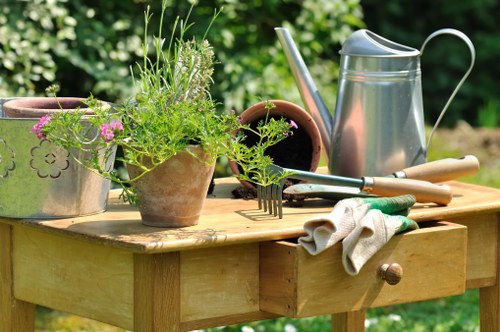
Gardeners Bethnal Green: Recycling & Sustainability
As Gardeners Bethnal Green we are committed to creating a greener local environment through practical, measurable waste and resource management. Our neighbourhood-facing services combine sustainable gardening techniques with an eco-friendly waste disposal area to ensure materials are reused, composted or recycled wherever possible. We care about soil health, local biodiversity and reducing the carbon footprint of every job we undertake.
Our approach supports the borough's broader waste separation strategy — from food-waste collections to mixed recycling — while going further on-site with targeted composting, green-waste recovery and materials reuse. Gardeners in Bethnal Green coordinate closely with residents to reduce bulky waste and improve separation at source, keeping recyclables out of general rubbish.
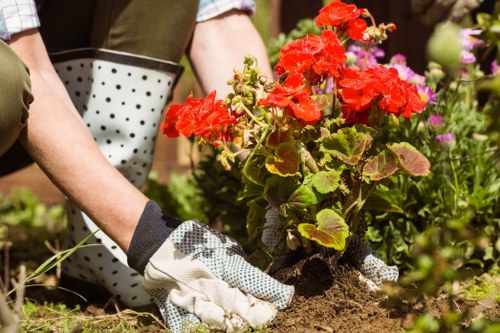 We have set clear, publicised targets for our operations: a core recycling percentage target of 70% by 2030 across all gardening and clearance activities, and a complementary objective to divert 90% of green waste from landfill by 2028. These targets focus on organic recycling, reuse of reclaimed garden materials and the responsible disposal of non-organic items like pots, timber and metalwork.
To achieve these targets we maintain a dedicated, sustainable rubbish gardening area at our depot and at larger site projects. That area is organised into clear streams for compostables, clean wood, soil and rubble, plastics and mixed recyclables. We emphasise clean streams to avoid contamination so that materials are accepted at local processing facilities.
We rely on local transfer stations and community recycling centres to complete the circular loop. Gardeners Bethnal Green uses borough transfer facilities and neighbouring East London transfer stations for onward processing, prioritising sites that accept food-waste, compostable fiber and separated green waste. These partnerships reduce journey times and emissions while ensuring materials are processed by compliant facilities.
Our on-the-ground recycling activities reflect common borough practices: residents and teams are encouraged to segregate food waste, mixed recyclable packaging (paper, card, tins, plastics) and glass where schemes exist. In addition, our crews collect garden-specific streams — woody prunings, leaf litter and turf — turning much of it into high-quality compost or chipping it for mulch on-site.
We work in formal partnership with local charities and community organisations to give items a second life. Excess soil, pots, timber offcuts and usable tools are offered to community gardens, allotment groups and social enterprises. Our charity partners include local reuse projects and food-redistribution networks that welcome surplus plant material and container-grown produce.
 These partnerships are practical and measurable: reclaimed materials are tracked and recorded, and where items cannot be reused locally they are routed to registered reuse organisations. This reduces the need for new materials and supports circular-economy goals while assisting local social schemes.
We also operate an educational outreach programme with community gardening groups to promote recycling best practice across the area: how to prepare green waste, what can go into community compost bays and how to avoid contamination of recyclable loads. Bethnal Green gardeners benefit from shared knowledge, enabling more efficient resource use across front gardens, estates and pocket parks.
Operational sustainability includes our transport strategy. We are transitioning to a fleet of low-carbon vans, including electric vehicles and hybrids, and use cargo bikes for short, dense urban runs. This reduces both emissions and congestion while keeping our transfers to local stations frequent and low-impact.
 In practice, that means scheduling multiple small trips with electric vans to nearby transfer stations rather than long diesel hauls, and using bike deliveries for consumables and small plant deliveries. The result is a measurable reduction in operational CO2 and particulate emissions compared with traditional garden-clearance models.
 Our sustainable rubbish gardening area is continually reviewed: site layout, segregation signage and staff training are updated quarterly so that claimed recycling rates are reflected in actual outcomes. We publish progress summaries for the community and adjust operational targets as needed — always aiming to exceed the borough baseline and contribute to a cleaner Bethnal Green.
Practical Recycling Activities We Support
- On-site composting and community-compost drop-offs
- Segregation of green waste, wood chippings and leaf-mold
- Reuse of pots, planters and salvaged timber via charity partnerships
- Separation of mixed recyclables in line with borough schemes (food waste, paper/card, metals and plastics)
Commitment & Measurement
Gardeners Bethnal Green is committed to transparent measurement: we track volumes sent to transfer stations, tonnes converted to compost and items donated to partner charities. Our goal is to meet or exceed the recycling percentage target while lowering operational emissions through low-carbon vans and smarter logistics. Together, gardeners and residents can make Bethnal Green a model for urban sustainable gardening and eco-friendly waste disposal.
Join us in keeping green spaces thriving and reducing waste: small changes in separation and reuse at the source lead to significant community benefits and lower environmental impact across the borough.

